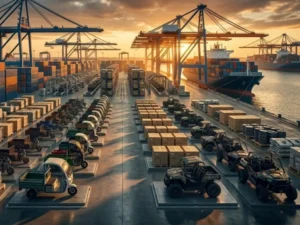


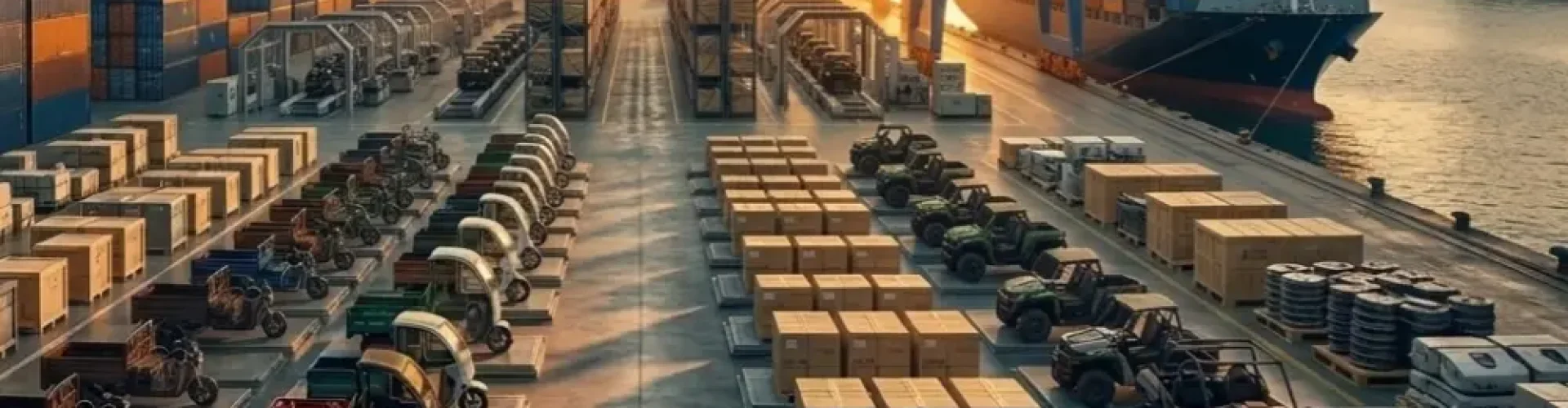
Exports of short-distance transport and agricultural machinery vehicles have maintained steady growth in 2026, with fuel tricycles, electric tricycles, ATVs and UTVs hitting new export highs worldwide. Fuel tricycles see stable rigid demand in Southeast Asia and Africa; electric tricycles are booming in Europe and Latin America driven by local environmental subsidies; high-end outdoor ATV and UTV orders keep rising in North America and Australia.
However, the industry faces a universal pain point: multi-level distribution chains create layer-upon-layer markups, driving up overseas distributors’ procurement costs. Fierce price competition erodes gross profit margins. Traditional circulation channels follow the path: Factory → Primary General Agent → Regional Distributor → Overseas Wholesaler, with each tier adding a 10%-20% premium. The price gap of identical vehicles can reach up to 30%. Overseas distributors are forced into a dilemma: either raise retail prices and lose customers, or slash their own profits.
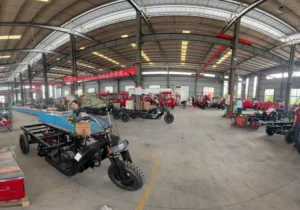
Against this backdrop, factory source direct supply has emerged as a mainstream industry breakthrough model. Source manufacturers clustered in Chongqing’s motor vehicle industrial belt directly connect their warehouses with overseas buyers, eliminating all intermediate distribution links. Their wholesale prices for identical vehicles are 20%-30% lower than those of traditional traders, directly expanding distributors’ profit margins.
Clear profit data across segments proves the advantages of this model:
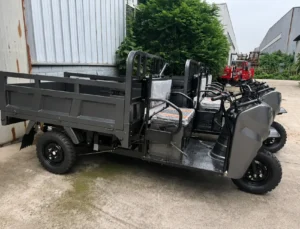
- Fuel tricycles (Southeast Asia & Africa): Source supply lifts distributors’ overall gross profit by 15%. Rugged and low-cost to repair, they perfectly meet local cargo and agricultural demands.
- Electric tricycles (Europe & Latin America): Aligned with low-carbon policies, market demand surges, bringing an extra 20% gross profit for distributors, ideal for last-mile delivery and urban commuting.
- ATV & UTV (North America & Australia): High unit price and low market competition allow distributors to earn an extra USD 200-500 per unit, catering to farm work and off-road recreation markets.
Industry analysts predict a clear division in the tricycle and all-terrain vehicle export sector in the coming years: Multi-layer resellers will face shrinking living space, while source supply enterprises with self-owned factories, large spot warehouses and complete spare parts support will dominate the market. Suppliers offering low-cost stock, flexible mixed container shipments and full after-sales spare parts will become long-term preferred partners for global distributors.
Industry experts advise overseas buyers to adjust their procurement strategies and prioritize upstream source factories. Lower purchase costs create pricing advantages to outperform competitors and achieve genuine profit growth with every order.
Closing Industry Summary
As China’s core motor vehicle industrial cluster, Chongqing boasts complete supporting chains and mature container shipping systems, making it the top global sourcing destination for tricycles and ATVs. As a leading source supplier rooted in this industrial cluster, Chongqing Xinyuanjin Motor Vehicle Co., Ltd. has built a one-stop low-cost supply system, delivering brand-new profit solutions for overseas wholesalers worldwide.